
Best Travel Experiences in India for Every Season

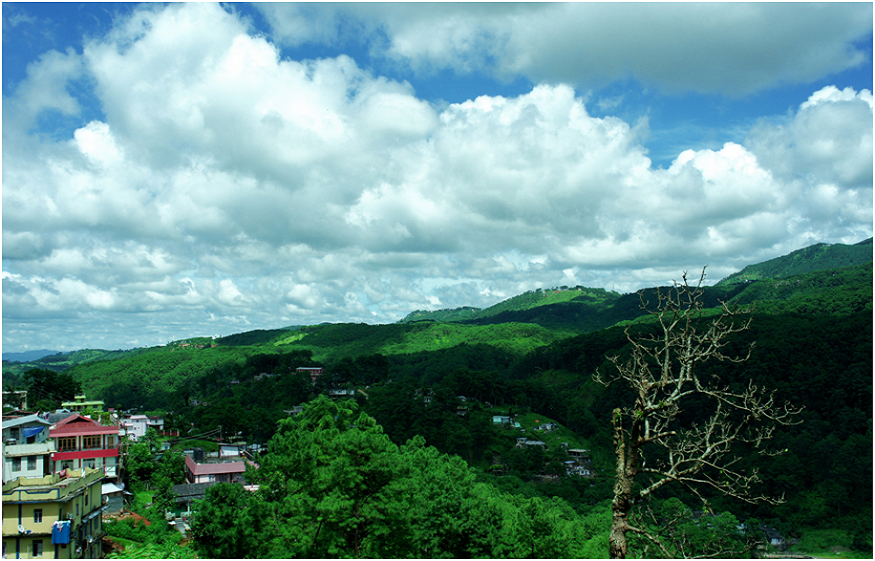
India offers a different travel experience in every season. Winter brings pleasant weather to beaches, deserts, and heritage cities. Spring fills mountain valleys with flowers. Summer opens many high-altitude routes, while the monsoon turns forests, waterfalls, and hill stations deep green.
The best season for a trip depends on the destination and the experience you want. Some travellers prefer snow and mountain views, while others enjoy beaches, wildlife, festivals, or peaceful nature retreats.
This guide covers the best travel experiences in India for winter, spring, summer, monsoon, and autumn. It will help you choose the right destination according to the weather, available days, budget, and travel style.
Winter Travel Experiences in India
Winter, from October to February, is one of the most popular travel periods in India. The weather is comfortable in many coastal, desert, wildlife, and heritage destinations.
Explore Rajasthan’s Forts and Deserts
Rajasthan is an excellent winter destination because the cooler weather makes outdoor sightseeing easier.
Jaipur offers forts, palaces, markets, and traditional food. Jodhpur is known for Mehrangarh Fort and its old blue neighbourhoods. Udaipur combines lakes with heritage buildings, while Jaisalmer offers desert camps, camel rides, and cultural performances.
A six- to eight-day trip is suitable for covering three or four nearby cities. Travellers should avoid adding too many long transfers to a short journey.
Enjoy Goa’s Beaches
Winter is one of the best times to visit Goa. The weather is generally suitable for beach walks, sightseeing, markets, coastal food, and water activities.
Read More: Financial Transparency: Inclusions and Exclusions on Your Charter
North Goa has active beaches, cafés, and nightlife. South Goa offers a quieter atmosphere and peaceful resorts. Families and couples who want a relaxed holiday may prefer South Goa.
Book hotels early during Christmas, New Year, and long weekends because prices can rise quickly.
Experience Kerala’s Backwaters and Hills
Kerala offers pleasant winter conditions for exploring tea gardens, forests, backwaters, beaches, and cultural attractions.
Munnar is known for tea estates and cool hill weather. Thekkady offers spice plantations and forest surroundings, while Alleppey and Kumarakom are popular for backwater cruises.
A well-planned Kerala tour package can cover Kochi, Munnar, Thekkady, and Alleppey within five to seven days. Travellers should confirm hotel locations, transfer times, meals, and houseboat facilities before booking.
Visit Wildlife Parks
Winter is suitable for wildlife journeys in destinations such as Ranthambore, Kanha, Bandhavgarh, Jim Corbett, and Kaziranga.
Cooler weather makes morning and evening safaris more comfortable. Wildlife sightings are never guaranteed, but experienced guides can help visitors understand animal behaviour, tracks, plants, and forest habitats.
Safari permits are limited, so advance booking is recommended.
Spring Travel Experiences in India
Spring usually falls between February and April. The weather becomes warmer in the plains, while many hill destinations begin to show fresh flowers, clear views, and pleasant temperatures.
See Kashmir in Bloom
Spring is one of the most beautiful seasons in Kashmir. Gardens begin to bloom, trees develop fresh leaves, and the snow starts melting in lower areas.
Srinagar offers Dal Lake, gardens, houseboats, and traditional markets. Gulmarg and Pahalgam provide mountain scenery, forests, meadows, and peaceful valleys.
Five to seven days are suitable for Srinagar with one or two nearby destinations.
Discover Sikkim’s Mountain Beauty
Sikkim is known for monasteries, waterfalls, forests, mountain roads, and high-altitude lakes.
Gangtok works as the main base. Travellers can also include Pelling for waterfalls and mountain views. North Sikkim offers Lachung and Yumthang Valley, but the journey involves long drives and changing road conditions.
Some routes require permits. Weather and access should be checked before departure.
Explore the Valley of Flowers Region
Uttarakhand becomes attractive during the warmer months, especially for travellers interested in nature and mountain walks.
The Valley of Flowers is known for seasonal alpine flowers, but it is accessible only during a limited period. The journey involves trekking, so proper fitness, footwear, and weather planning are necessary.
Travellers who want easier experiences can choose Nainital, Bhimtal, Mussoorie, or Rishikesh.
Summer Travel Experiences in India
Summer, from April to June, can be hot in many parts of India. However, it is also a good season for hill stations, Himalayan valleys, and selected high-altitude routes.
Escape to Himachal Pradesh
Himachal Pradesh is a popular summer destination because of its cooler weather, forests, rivers, valleys, and mountain villages.
Manali offers scenic drives, cafés, river views, and outdoor activities. Dharamshala combines green hills with Tibetan culture. Tirthan Valley is suitable for quiet stays, nature walks, and riverside experiences.
Read More: Wallywhy200: Revolutionary Space and Contemporary Luxury
Travellers should explore one region properly instead of combining distant parts of Himachal Pradesh in a short trip.
Plan a Ladakh Road Journey
Summer opens many routes in Ladakh. The region offers high passes, rocky mountains, monasteries, lakes, and wide valleys.
Leh is the main starting point. Travellers should rest after arrival to adjust to the altitude. Nubra Valley and Pangong Lake can then be included according to road and permit conditions.
Seven to nine days are suitable for the main Ladakh journey. Anyone with medical concerns should seek professional advice before visiting high-altitude areas.
Relax in Coorg or Wayanad
Coorg and Wayanad provide green plantations, forests, waterfalls, and peaceful resorts. They are suitable for couples, families, and travellers looking for a slower holiday.
Coorg is known for coffee estates and countryside views. Wayanad offers lakes, forest areas, dams, and plantation stays.
Two to four days are suitable for either destination.
Monsoon Travel Experiences in India
The monsoon usually arrives between June and September. It changes India’s landscapes by filling rivers, strengthening waterfalls, and covering hills with fresh greenery.
Monsoon travel can be beautiful, but it requires flexible planning. Rain may affect roads, trekking, boating, and outdoor activities.
Experience Meghalaya’s Waterfalls
Meghalaya becomes especially green during the monsoon. Waterfalls grow stronger, forests look fresh, and cloud-covered hills create dramatic scenery.
Shillong is the main base, while Cherrapunji and Mawsynram are known for heavy rainfall, waterfalls, caves, and valleys. Dawki and Shnongpdeng offer river experiences, although water clarity may reduce during periods of heavy rain.
When selecting a Meghalaya tour package, check daily driving time, hotel access, road conditions, sightseeing coverage, and cancellation policies. Some outdoor activities may change according to the weather.
Five to six days are suitable for Shillong, Cherrapunji, Dawki, and nearby villages.
Watch Kerala Turn Deep Green
The monsoon gives Kerala a fresh and peaceful appearance. Tea plantations, forests, waterfalls, and backwater areas become greener.
Munnar and Wayanad are suitable for nature views, while backwater resorts can provide a slow and relaxing experience. Travellers should expect rain and keep enough flexibility in the itinerary.
Carry a raincoat, umbrella, waterproof footwear, and protective covers for electronic items.
Visit the Western Ghats
The Western Ghats offer many monsoon experiences across Maharashtra, Karnataka, Goa, and Kerala.
Lonavala, Mahabaleshwar, Chikmagalur, Agumbe, and nearby forest regions become green and misty. Waterfalls and short nature walks attract many visitors.
Avoid unsafe waterfall zones, slippery cliff edges, and restricted trekking paths. Local safety instructions should always be followed.
Autumn Travel Experiences in India
Autumn, from September to November, is a transition period between the monsoon and winter. Rain begins to reduce in many regions, skies become clearer, and the main tourist season starts.
Enjoy Clear Himalayan Views
Autumn often offers clear mountain views in Kashmir, Himachal Pradesh, Uttarakhand, and Sikkim.
The weather can be comfortable during the day, although evenings become cooler. This season is suitable for scenic drives, photography, nature walks, and peaceful hill stays.
Experience Indian Festivals
Autumn is also a major festival period in India. Travellers may experience Durga Puja, Dussehra, and Diwali, depending on the dates and destination.
Kolkata is famous for Durga Puja celebrations, decorations, food, and cultural events. Mysuru is known for its Dussehra festivities, while Varanasi and Jaipur offer memorable experiences around Diwali.
Festival travel requires advance planning because hotels, transport, and public areas can become crowded.
Explore Heritage Cities
Cities such as Delhi, Agra, Jaipur, Varanasi, and Khajuraho become easier to explore as temperatures begin to fall.
Travellers can visit forts, monuments, markets, temples, museums, and historic neighbourhoods. A local guide can provide useful cultural and historical context.
How to Choose the Right Season
The ideal season depends on the kind of journey you want.
Choose winter for:
- Beaches and coastal holidays
- Rajasthan and heritage cities
- Wildlife safaris
- Kerala and Goa
Choose spring for:
- Flowers and green valleys
- Kashmir and Sikkim
- Comfortable hill weather
- Photography trips
Choose summer for:
- High-altitude journeys
- Ladakh and Himachal Pradesh
- Hill stations
- Family summer holidays
Choose the monsoon for:
- Waterfalls
- Green forests
- Meghalaya and the Western Ghats
- Peaceful resort stays
Choose autumn for:
- Clear Himalayan views
- Festivals
- Heritage trips
- Pleasant outdoor sightseeing
Plan According to Your Available Days
Three to Four Days
Choose one destination or a small regional route. Goa, Jaipur, Udaipur, Coorg, Shillong, or a single hill station can work well.
Five to Seven Days
This duration is suitable for Kerala, Meghalaya, Kashmir, Rajasthan, Himachal Pradesh, or Sikkim. Select two or three nearby destinations.
Eight to Ten Days
A longer trip allows deeper exploration. It is suitable for Ladakh, a Rajasthan circuit, or a wider Himalayan route.
Keep arrival and departure days light and avoid changing hotels every night.
Practical Seasonal Travel Tips
- Check recent weather conditions before departure.
- Book peak-season flights and hotels early.
- Keep the monsoon itinerary flexible.
- Carry suitable clothes for the destination.
- Confirm permits for protected mountain areas.
- Keep enough time between transfers.
- Use authorised operators for adventure activities.
- Avoid overcrowding the itinerary.
- Choose hotels with convenient road access.
- Carry essential medicines and identification.
Common Planning Mistakes
One common mistake is choosing a destination without checking its seasonal conditions. A place may look attractive in photographs but may have road closures, heavy rain, extreme heat, or limited activities during a particular month.
Travellers also make trips tiring by adding too many destinations. Long transfers, frequent hotel changes, and packed sightseeing schedules leave little time to enjoy the actual experience.
Other mistakes include ignoring permits, booking unsuitable hotels, underestimating mountain travel, and planning outdoor activities with unverified operators.
Frequently Asked Questions
Which season is best for travelling in India?
October to March is suitable for many destinations because the weather is pleasant in coastal, desert, wildlife, and heritage regions.
Where should I travel in India during summer?
Himachal Pradesh, Kashmir, Uttarakhand, Sikkim, Ladakh, Coorg, and Wayanad are popular summer options.
Which places are best during the monsoon?
Meghalaya, Kerala, Coorg, Wayanad, Lonavala, and other Western Ghats destinations become especially green during the monsoon.
Is winter suitable for Kerala?
Yes. Winter generally offers comfortable conditions for visiting Munnar, Thekkady, Alleppey, Kochi, and Kerala’s beaches.
How many days are enough for Meghalaya?
Five to six days are suitable for Shillong, Cherrapunji, Dawki, Shnongpdeng, and nearby places.
Is Ladakh suitable throughout the year?
No. Road access and weather conditions change by season. Summer is generally the main travel period for many Ladakh routes.
Which season is best for a family holiday?
Winter and spring are comfortable for many family destinations. The final choice should depend on the age, health, interests, and preferred activities of family members.
Conclusion
India offers memorable travel experiences throughout the year. Winter is ideal for beaches, deserts, heritage cities, and wildlife. Spring brings flowers and pleasant mountain weather. Summer opens high-altitude routes, while the monsoon creates powerful waterfalls and rich greenery. Autumn offers clearer skies, festivals, and comfortable sightseeing.
Choose the season according to the experience you want rather than selecting a destination only because it is popular. Check the weather, keep the itinerary realistic, and spend enough time in each place.
A thoughtfully planned seasonal journey can help you experience India at its best while keeping the holiday comfortable, safe, and enjoyable.