
The Rise of Boutique Luxury Travel in Mediterranean Destinations

Reconfiguring Luxury in the Mediterranean Context
In recent years, the Mediterranean basin has undergone a significant transformation in the structure and expectations of high-end tourism. Traditional luxury—historically defined by scale, opulence, and standardized service—has increasingly given way to a more refined paradigm centered on exclusivity, authenticity, and personalization. Boutique luxury travel, characterized by smaller properties, curated experiences, and strong integration with local contexts, has emerged as a defining trend within the region’s hospitality sector. This shift reflects broader changes in consumer behavior, particularly among affluent and well-informed travelers who prioritize discretion, cultural depth, and experiential value over ostentation.
Drivers Behind the Boutique Luxury Surge
The expansion of boutique luxury travel across Mediterranean destinations is underpinned by several structural dynamics. Intensified global competition has compelled destinations to differentiate through distinctive, place-specific offerings rather than scale alone. Concurrently, the rise of experiential tourism has reoriented demand toward immersive encounters, encompassing gastronomy, heritage, and natural landscapes. Digital platforms have further facilitated this transition by enabling travelers to identify highly specialized accommodations aligned with individual preferences. These factors collectively favor smaller, design-led properties capable of delivering tailored services and unique atmospheres.
Read More: Everest Base Camp Trek &Peaks
Italy as a Case Study of Growth and Transformation
Italy offers a particularly illustrative example of these developments. The country has experienced sustained tourism expansion, and Italy has a substantial rise in foreign visitors since last year, underscoring both its enduring cultural appeal and the adaptability of its hospitality sector. Within this evolving landscape, boutique luxury establishments have proliferated across diverse regions, from historic urban centers to secluded coastal areas. Many of these properties involve the adaptive reuse of heritage structures—such as palazzi, monasteries, and rural estates—thereby combining architectural preservation with contemporary comfort. This model demonstrates how cultural conservation and high-end tourism can operate in a mutually reinforcing manner.
Spatial Diversification and Emerging Destinations
While established destinations such as the French Riviera, the Amalfi Coast, and the Balearic Islands continue to attract affluent visitors, boutique luxury travel has facilitated the emergence of less conventional locations. Regions once considered peripheral are gaining visibility due to their relative seclusion and authenticity. Inland territories, minor islands, and protected natural areas are increasingly incorporated into luxury itineraries. This spatial diversification contributes to alleviating pressure on heavily visited areas while redistributing economic benefits more evenly. It also aligns with sustainability objectives by encouraging lower-density tourism development.
The Role of Design, Narrative, and Local Integration
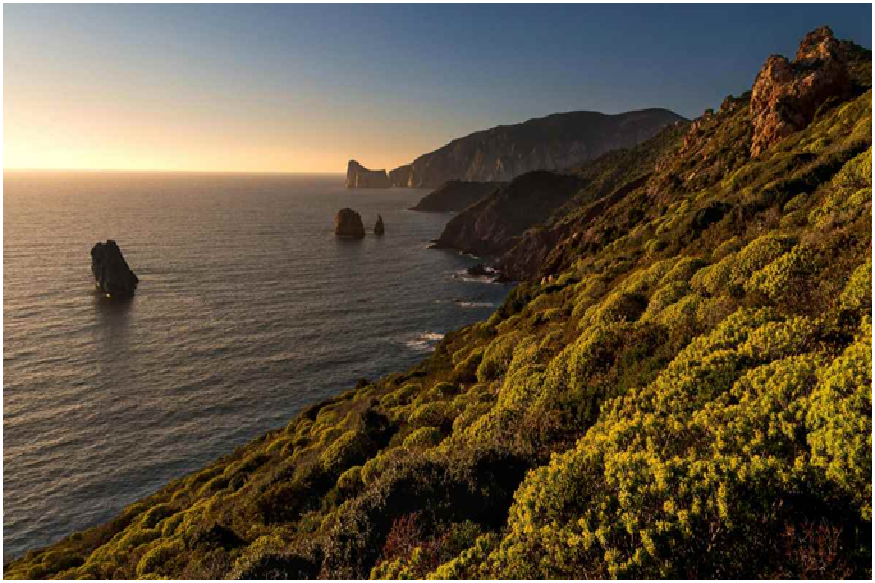
A central feature of boutique luxury travel is its emphasis on narrative coherence and design intentionality. Properties function not merely as accommodations but as curated environments that convey a distinct sense of place. Architectural restoration, interior design, and service philosophy are carefully aligned to reflect local identity. This is particularly evident in destinations such as Sardinia, where the concept of a luxury retreat is increasingly associated with immersive experiences that combine vernacular architecture, regional gastronomy, and environmentally sensitive design, rather than standardized luxury formats. Such approaches enhance authenticity while fostering a meaningful connection between visitors and destination.
Economic and Cultural Implications
The growth of boutique luxury travel carries complex economic and cultural implications. On the one hand, it generates high-value tourism that supports local employment, stimulates artisanal production, and incentivizes heritage preservation. On the other hand, it raises concerns regarding accessibility, social equity, and the potential commodification of cultural assets. Balancing exclusivity with inclusivity remains a critical challenge for policymakers and industry stakeholders. Effective regulatory frameworks are essential to ensure that economic benefits are broadly distributed and that local communities maintain control over their cultural resources.
Sustainability and the Future Trajectory
Sustainability considerations are increasingly integral to the boutique luxury model. Practices such as energy efficiency, waste reduction, and environmental conservation are becoming standard expectations rather than optional enhancements. Moreover, the growing emphasis on slow travel—favoring longer stays and deeper engagement—aligns with both ecological imperatives and evolving consumer preferences. As climate change and resource constraints intensify, the ability of Mediterranean destinations to integrate sustainability into their luxury offerings will be a decisive factor in their long-term competitiveness.
Read More:Discovering the Bahamas in Unrivaled Comfort with a Feadship Yacht Charter
Toward a Refined Paradigm of Luxury Travel
The rise of boutique luxury travel in Mediterranean destinations reflects a broader redefinition of value within high-end tourism. By privileging intimacy, authenticity, and contextual richness, this model responds to the expectations of a discerning global clientele. Its continued development will depend on the capacity of destinations to reconcile innovation with preservation, exclusivity with responsibility, and economic growth with cultural integrity.